
Six years ago, my family and I moved to San Diego to engage the military communities around us with the gospel and plant a church. We knew the work would be challenging, but we could not have anticipated just how difficult it would be. Over these years, the Lord has deeply humbled me as a leader and graciously used our family and our church to engage those who serve in the military with the gospel. I’d like to share four simple ways you can equip your church to more effectively engage the military community around you—lessons I’ve learned over the past six years.
Be a Learner
The first step I would encourage you and your church to take is simply to be learners of the military community near you. Becoming a learner is necessary, especially if you have never served in the military, but I believe it is just as important if you have. As a former Marine, I was moving into a majority Navy population in San Diego. I needed to learn what life was like in the Navy and better understand the unique needs and areas of brokenness in my community.
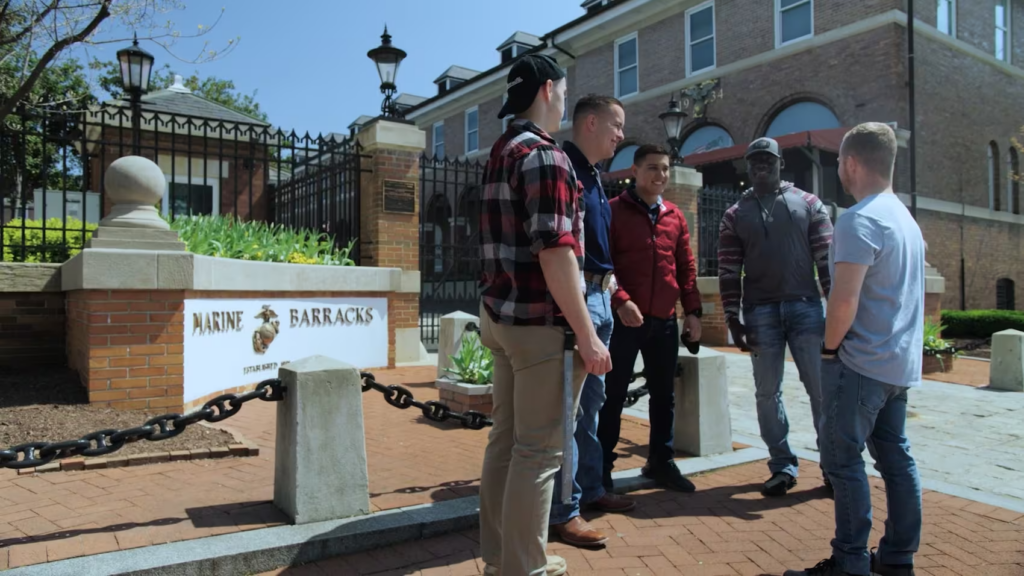
My family and I intentionally moved across the street from a concentrated military population in the city, and we made it a priority to get to know our military neighbors. As we began building relationships, we often asked what they believed the greatest need in their community was that a church could help address. After listening to their responses, we would then ask what they personally felt was their greatest need. Over months and years, as we asked these questions and observed our community, we began to identify the most significant needs based on direct feedback from our neighbors and by simply being present in their lives.
To effectively engage the military with the gospel, taking the posture of a learner is crucial. As you pray and seek the Lord for wisdom, needs will emerge, and you will be better equipped to develop a specific strategy.
Be a Servant
As we noticed patterns in our neighbors’ responses to these simple questions, we started implementing strategies to serve those needs. This didn’t require a large, programmatic approach. Often, the most effective strategies happened organically and on a small scale—one person at a time. For example, we learned that one of the greatest needs among women in the community was a desire for meaningful connection. Many were craving community, especially after being separated from extended family back home.
In response, the women in our church began organizing park days at locations where we knew many military spouses gathered during the day with their kids. One church member leaned so deeply into this need that she basically became a full-time missionary to her own military community, organizing regular hangouts and helping meet practical needs like childcare throughout the week. As we continued to respond to this desire for community, our church began welcoming new military families with welcome bags and quickly organizing meal trains for families with new babies or those who needed extra help while a spouse was deployed.
Another surprising need we heard repeatedly from the military community was access to free counseling through a church. Even many unbelieving families said the community could benefit from church-provided counseling. In response, I pursued thorough training in biblical counseling and started offering free counseling to families whose marriages were struggling. Over time, word spread throughout the neighborhood, and I continue to receive requests, mostly through word of mouth, for free biblical counseling.
Be Clear About Their Greatest Need
In addition to learning about your community and serving it well, I would encourage you to equip your church to be clear about the military’s greatest need—the gospel. We made it a practice to share early and often in our relationships with unbelievers about their need for a relationship with Christ. We wanted to avoid any hint of a bait-and-switch approach, and we often found that this clarity paid off, as people understood exactly why we loved them the way we did.
Be Patient
As your church learns and serves its military community, while remaining clear about the gospel, encourage them to be patient in ministry. My wife and I befriended and served dozens of neighbors, sharing the gospel with all of them. Yet after three years of doing so, we had not seen a single person from our military community come to faith. We were often tempted to grow discouraged and give up, but the Word of God does not return void.
As we continued serving and equipping others to do the same, some of our friends eventually began walking through seasons of trial. It was often in those moments that they began taking the gospel seriously. Because we stayed connected and continued building relationships over time, many reached out to us for help, and even for counseling, years after we first got to know them.
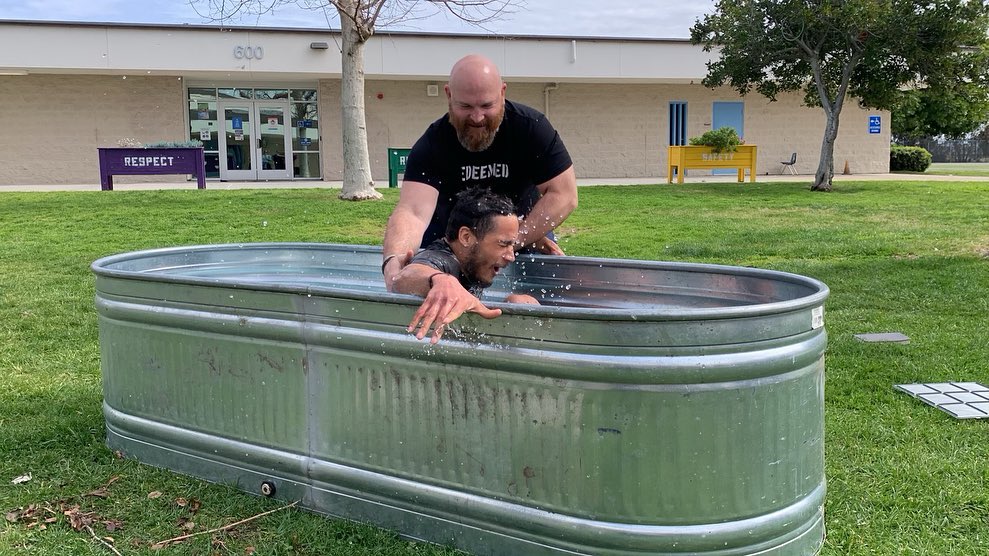
God has been faithful, and we have had the privilege of seeing several of these neighbors come to faith in Christ. Some came to Christ after four or five years of having a relationship with them. This would not have happened had we given up or stopped praying, serving, and sharing the hope we have in Christ.
I believe that if you start equipping your people in these four practices and give it time, by God’s grace, you will be able to celebrate the gospel transforming individuals within your military community.
Published January 23, 2026