Perhaps the greatest need in the church today is more laborers in the harvest. We need to plant more churches, and the one thing you absolutely must have to plant a church is a ready leader. Gone are the days when potential church planters streamed into major cities to start new churches.
So where will we find these planters? Who will be the answer to our Luke 10:2 prayers, where Jesus commanded us to “pray earnestly to the Lord of the harvest to send out laborers into His harvest”?
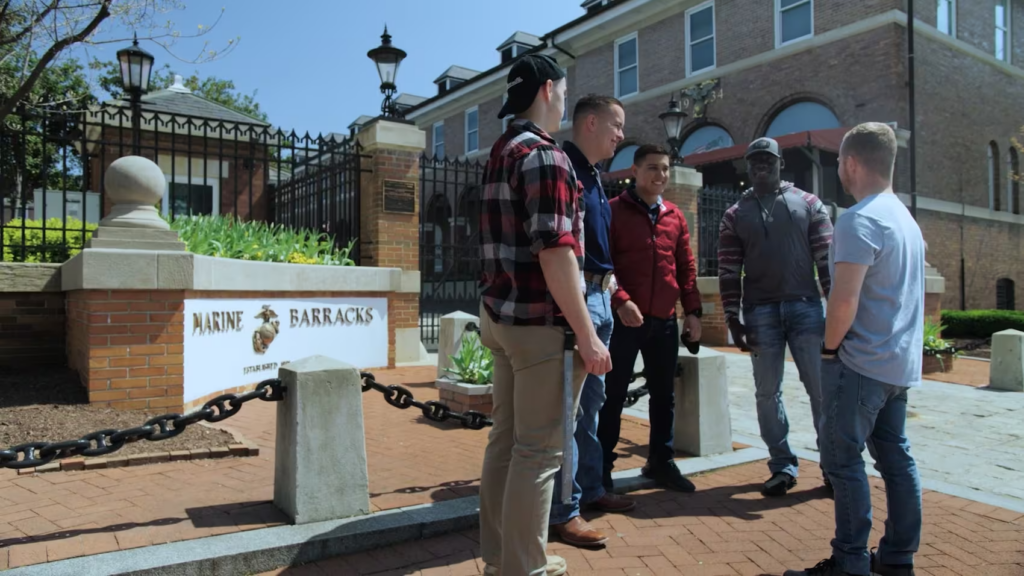
One place we ought to consider looking more closely is in the U.S. military. If your church is near a military community, you will likely have service members in your congregation. And I’m convinced that there is untapped potential within the ranks of our military for discovering, developing, and deploying future church planters.
Here are three reasons service members in your church have strong potential for church planting—and what you can do about it.
- Every service member will have a second career
If you are in the military, then one of two outcomes is certain: you will either die young or have a second career. The average service member retires at 42 years of age, meaning they still have 20-plus years ahead of them for a second career. Service members must decide how they will support their family and what they will give their time to as they transition out of military service. Why not consider calling them to dedicate the second half of their lives to planting a church or being part of a church-planting team?
- Service members have leadership experience
While military leadership and church leadership are not identical, the experience gained in uniform should not be overlooked. Many service members serve as officers or noncommissioned officers, where they are entrusted with leading teams, making critical decisions, and setting an example under pressure. They are trained to lead diverse groups of people in high-stress, high-stakes environments—skills that form a strong foundation for leadership in the local church. Although the context is different, the character, discipline, and initiative required to lead in the military can be effectively applied to planting and shepherding a church.
- Servicemembers know sacrifice
Service members are no strangers to leaving behind the comforts of home in pursuit of a mission greater than themselves. In a similar way, church planting demands a willingness to take risks—relocating far from family, stepping into unfamiliar communities, and embracing discomfort for the sake of the gospel. For many, these challenges are daunting. However, for those with military experience, it is familiar terrain. They are trained to adapt, press forward in uncertain situations, and remain mission-focused under pressure. This resilience and selflessness can be a powerful asset in the often-unpredictable journey of planting a church.
What can you do?
There may be future church planters or church planting team members who are currently serving in the military in your church. Some may have already considered vocational ministry, but many likely have not.
Take a moment to compile a list of your church members or refer to a membership directory if you have one. Scan the list and look for those who are serving in the military. As you do, prayerfully consider whether you believe any of those individuals have the potential to plant a church or be part of a church planting team down the line.
They may be five or more years away from being ready, but it is never too soon to begin casting vision about what God may have in store for them after their military career comes to an end.
Once you have identified a church member with that potential, invite him out for coffee and ask about his plans for the future. Ask if he has ever considered planting a church. You never know where the conversation might lead—or what that planted seed may produce.
My friend Brian O’Day was an active-duty Marine when his pastor, Clint Clifton, sent him an email asking if he was interested in learning how to preach. Unbeknownst to Clint, Brian had already begun sensing a desire to do so, and that conversation marked the beginning of a path toward church planting. Several years later, Brian planted Pillar Church of Jacksonville, North Carolina, where he continues to serve as pastor today. It all started with a simple conversation to cast some vision.
As these conversations develop, it’s also essential to have a plan for how you will develop these potential future church planters. If you do not have a church planting residency, consider attending one of Send Network’s Residency Builder workshops, where you can develop a clear plan for raising up pastors and church planters from within your own church.
Your plan doesn’t need to be elaborate. It may be as simple as meeting weekly to read through some good books on ministry preparation, while also giving them opportunities to begin leading. Either way, it’s important to have something tangible to invite your church members into.
Let’s not miss what God may be doing right in front of us. Let’s pray earnestly, invest intentionally, and trust that the Lord of the harvest is raising up laborers—even from the ranks of the military—for the sake of the gospel.
Published January 23, 2026