

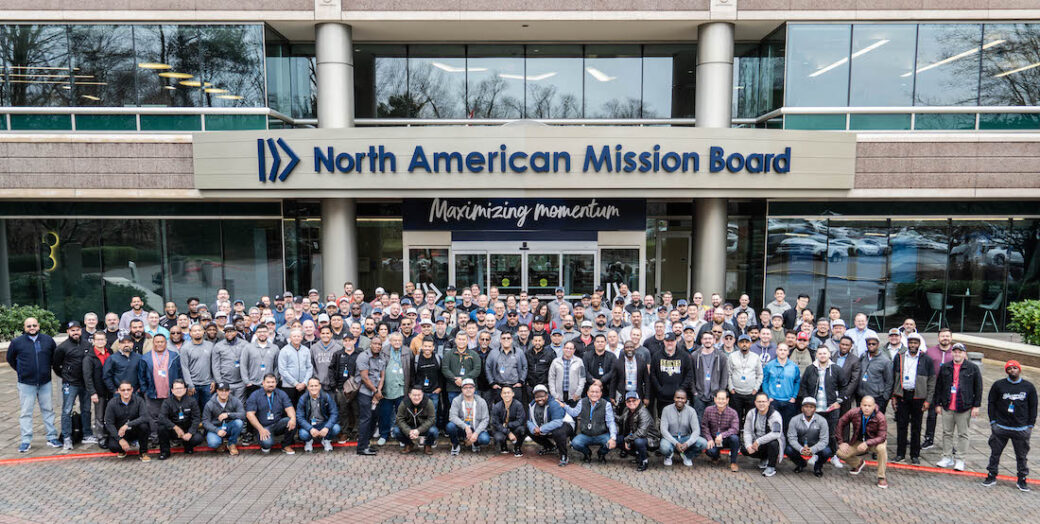
Baptists have, historically, partnered for the sake of mission and the Great Commission. They do so out of a zeal to see people reached for the gospel, recognizing that local churches can do more by cooperating together than any one church can do on its own.
The North American Mission Board (NAMB) is the fruit of a generations-long commitment on the part of Southern Baptists to reach North America with the gospel of Jesus Christ. As currently comprised, NAMB centers everything it does around the gospel through three primary strategic emphases: church planting, compassion ministry and evangelism.
Send Network serves Southern Baptist churches by assisting them in the process of planting healthy, multiplying churches everywhere for everyone. Send Relief provides resources and creates mission opportunities for churches to meet tangible needs and see lives changed through the power of the gospel. Then, NAMB resources and provides evangelism training for churches and leaders as they share the gospel in their communities. As the endorsing agency for Southern Baptist chaplains, NAMB also trains, equips and encourages chaplains who serve members of the Armed Services, in correctional facilities and in other institutions.
NAMB traces its historic roots back to 1845 and the creation of the Southern Baptist Convention (SBC) after Baptists in the South sought to organize their own convention following disagreements with Northern Baptists over issues related to slavery. When Southern Baptists met in Augusta, Ga., in 1845 to constitute the SBC, one of their first decisions was to establish two missions agencies: the Foreign Mission Board and the Board of Domestic Missions.
In its earliest days from its headquarters in Marion, Ala., the new board struggled to craft a compelling vision and develop and effective strategy that encouraged Southern Baptists to fund and engage with the new board. Most preferred working through already established local associations and state conventions.
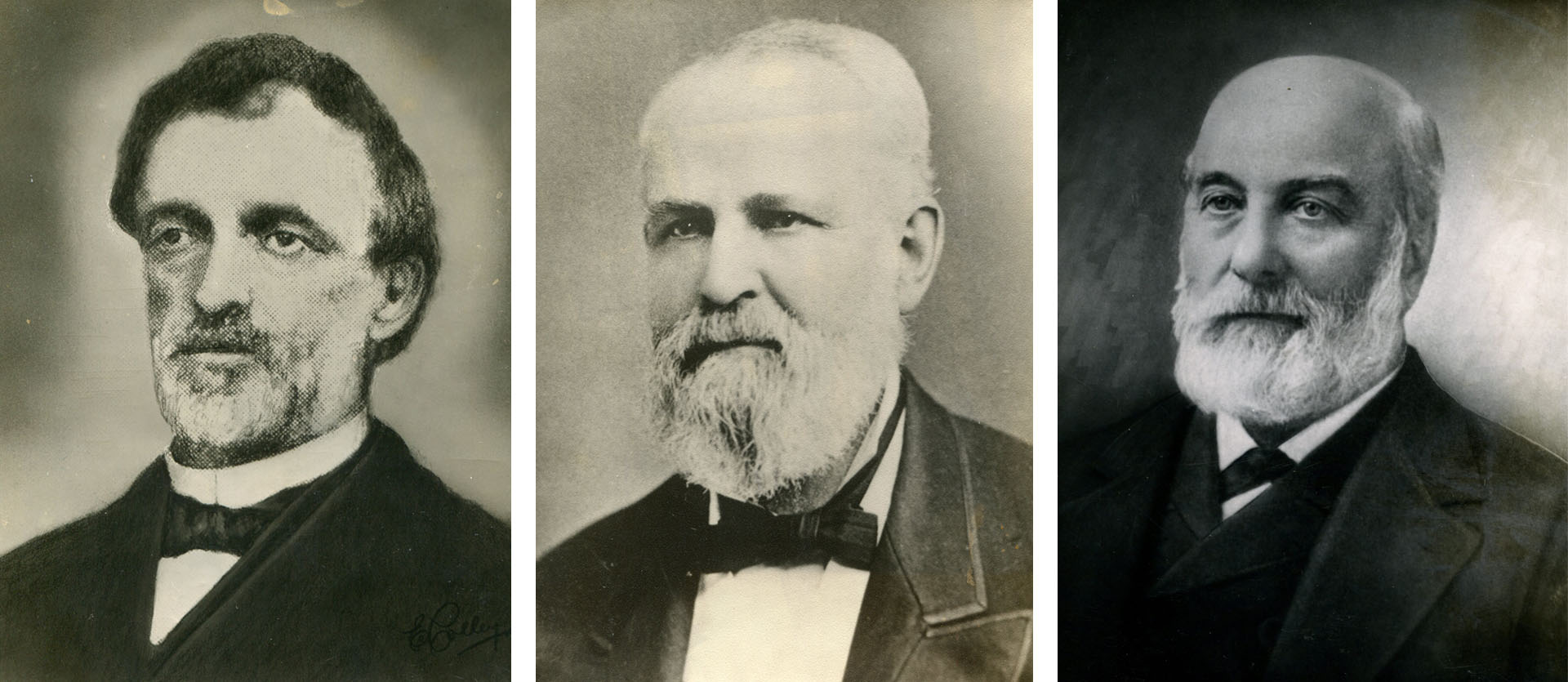
A lack of consistent, tenured leadership was initially a major hurdle before Russell Holman, the first pastor of First Baptist Church New Orleans, took the reins and focused the Board’s strategy. Leading up to the Civil War, the Board began directing most of its efforts to areas of ministry where Southern Baptists were weakest, serving Native American populations and ministering in cities and in newly settled regions on the continent. The strategy allowed the Board to become more financially and missionally stable.
With the outbreak of the Civil War, however, Southern Baptist mission efforts were severely disrupted with the conflict making it practically impossible to raise funds since attention had turned to the war. By the close of the war in 1865, the Domestic Mission Board was destitute.
Under the direction of Martin T. Sumner, who led the organization for 13 years, the Board continuously expanded and contracted its missionary force as it navigated the financial balancing act of funding missionaries and avoiding significant debt.
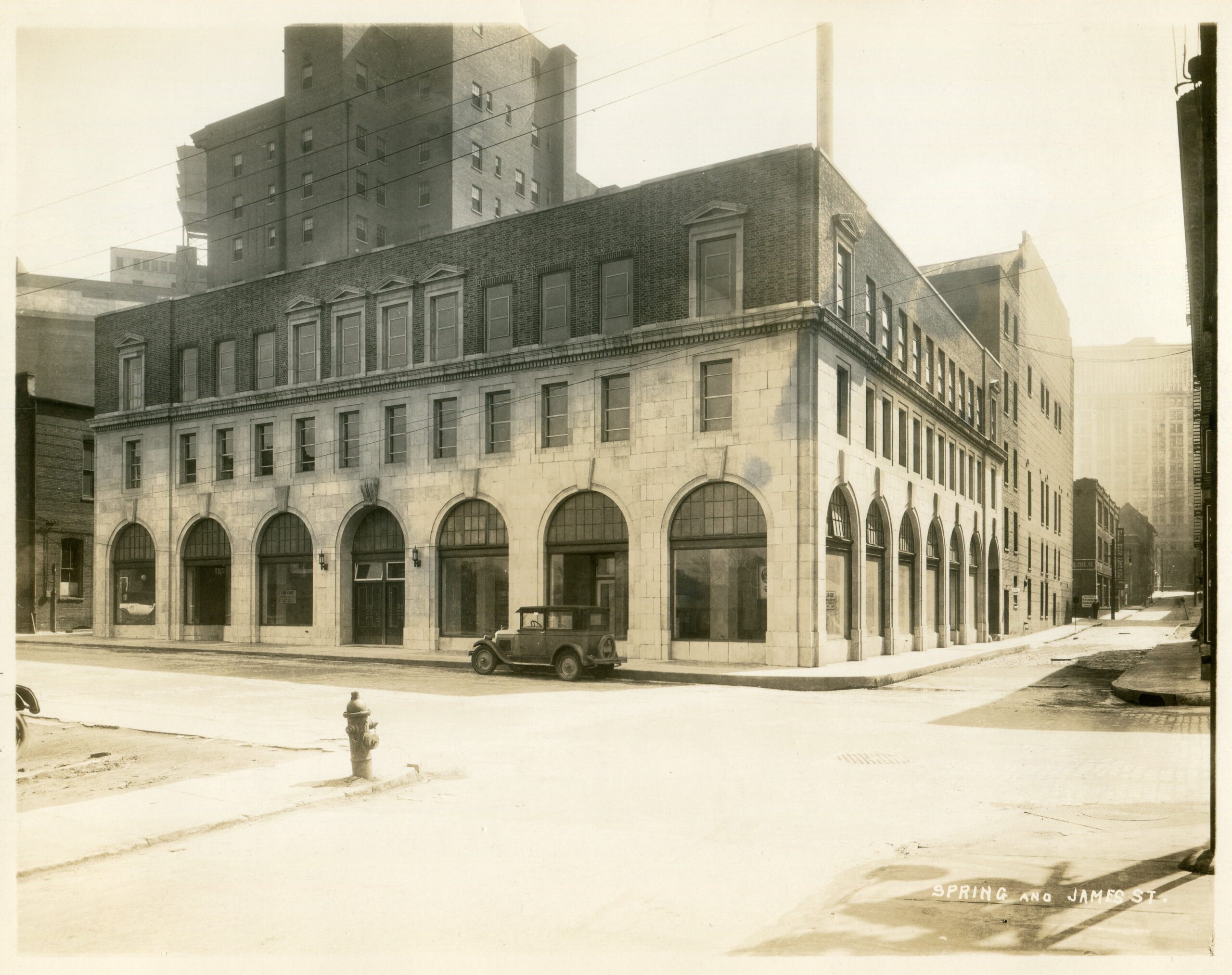
The Board adopted a new name in 1874, the Home Mission Board (HMB), which it retained for more than a century. By 1882, the SBC decided to move the HMB to a more well-known city, Atlanta, Ga., in attempt to reenergize support for the entity. The move, along with the election of influential Southern Baptist Isaac Tichenor, generated significant momentum for the HMB. The number of missionaries increased rapidly over the course of the next decade.
In the late 19th and early 20th centuries, a significant lay missionary movement spurred Southern Baptists’ missionary efforts. The Woman’s Missionary Union (WMU), led by Annie Armstrong, rallied churches to support mission work and collected the first offering for home missions in 1895. A similar men’s movement sought to galvanize more men into supporting and participating in missions work as well.
By the 1900s, cooperation within the Southern Baptist Convention hit new levels of confidence, and the SBC initiated a significant fundraising campaign in 1919—the 75 Million Campaign—and several SBC entities drafted grand plans based on the incredible response from Southern Baptists. The HMB, authorized by the SBC to increase its programs, incurred debt in anticipation of the fundraising campaign.
But the funding boon was short-lived. Economic hardship in the South followed by the onset of the Great Depression forced the HMB to shift much of its focus toward paying off debt. Southern Baptists continued their support, however, and the HMB weathered the financial storm in large part due to the development of the SBC’s Cooperative Program in 1925 and the WMU’s collection of the home missions offering, which was named in honor of Annie Armstrong in 1934.
As the nation transitioned in the 1940s from a depressed economy to a booming one, Southern Baptists began to see rapidly increasing growth, and the HMB expanded its ministry efforts. While the predominant majority of Southern Baptists remained in the South, the SBC developed a nationwide presence, engaging in church planting, (what is now called) compassion ministry and chaplaincy. The HMB played a key role in each of those efforts.
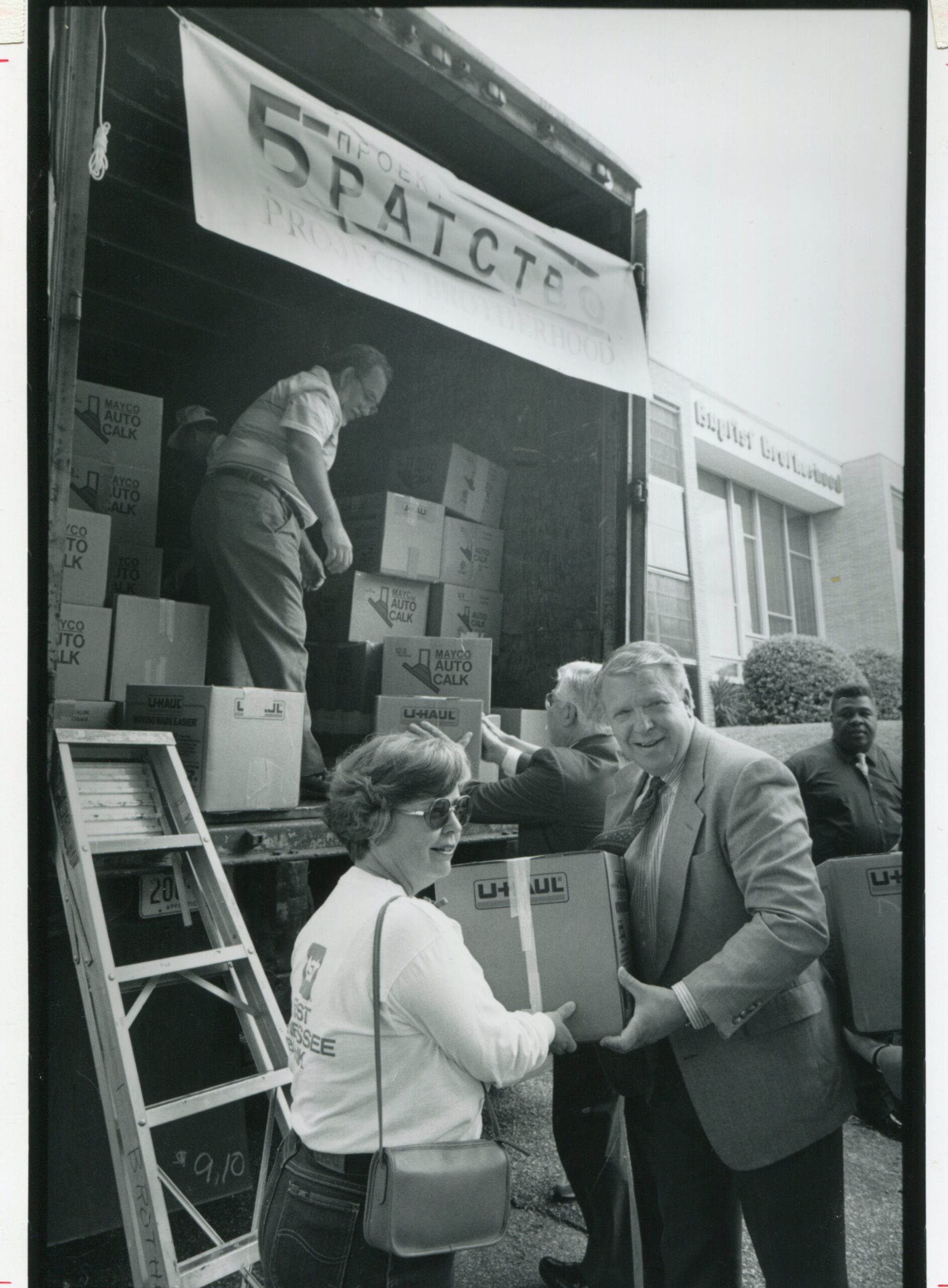
The SBC also created new agencies over the next decade, launching the Radio Commission as an official entity of the SBC in 1946, and the men’s missionary movement became an official entity of the SBC, becoming the Brotherhood Commission of the SBC in 1950 with headquarters in Memphis, Tenn.
In 1953, the first Canadian church affiliated with Southern Baptists, and the seeds were sown for what eventually became the Canadian National Baptist Convention as Baptists in Canada strove to share the gospel across their nation.
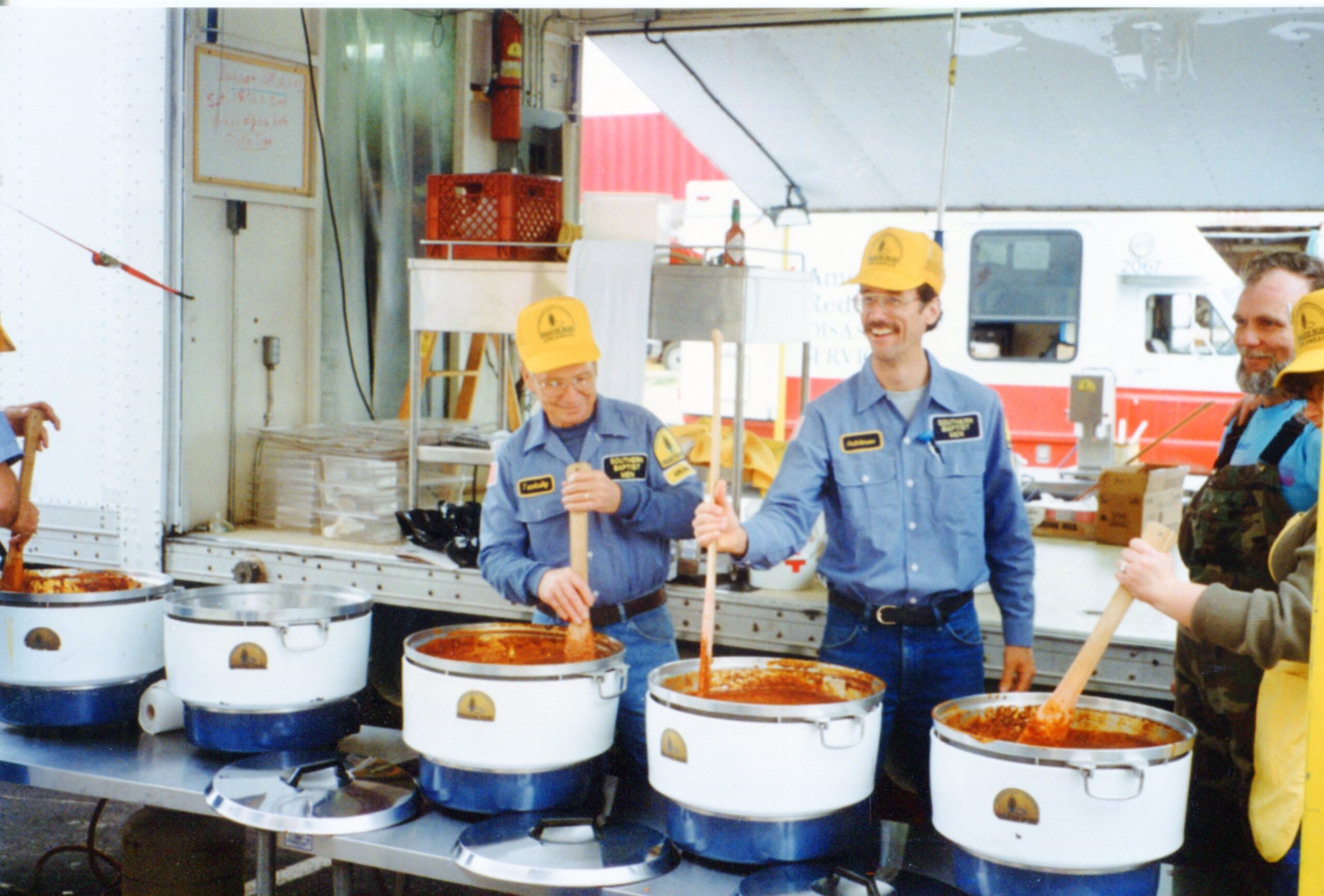
Over the next several decades, Southern Baptist mission work persisted as the HMB worked with various ethnic and other language groups, expanding its missionary force and enlarging its evangelism efforts. In the late 1960s, a grassroots effort fueled the creation of Southern Baptist Disaster Relief, which grew into a national cooperative effort by the 1980s.
As the 20th century concluded, Southern Baptists determined to restructure and consolidate several existing entities by adopting the Covenant for a New Century in 1995. The move included bringing together the HMB, Brotherhood Commission and the Radio and Television Commission into a single Southern Baptist entity: the North American Mission Board. The transition was finalized in 1997.
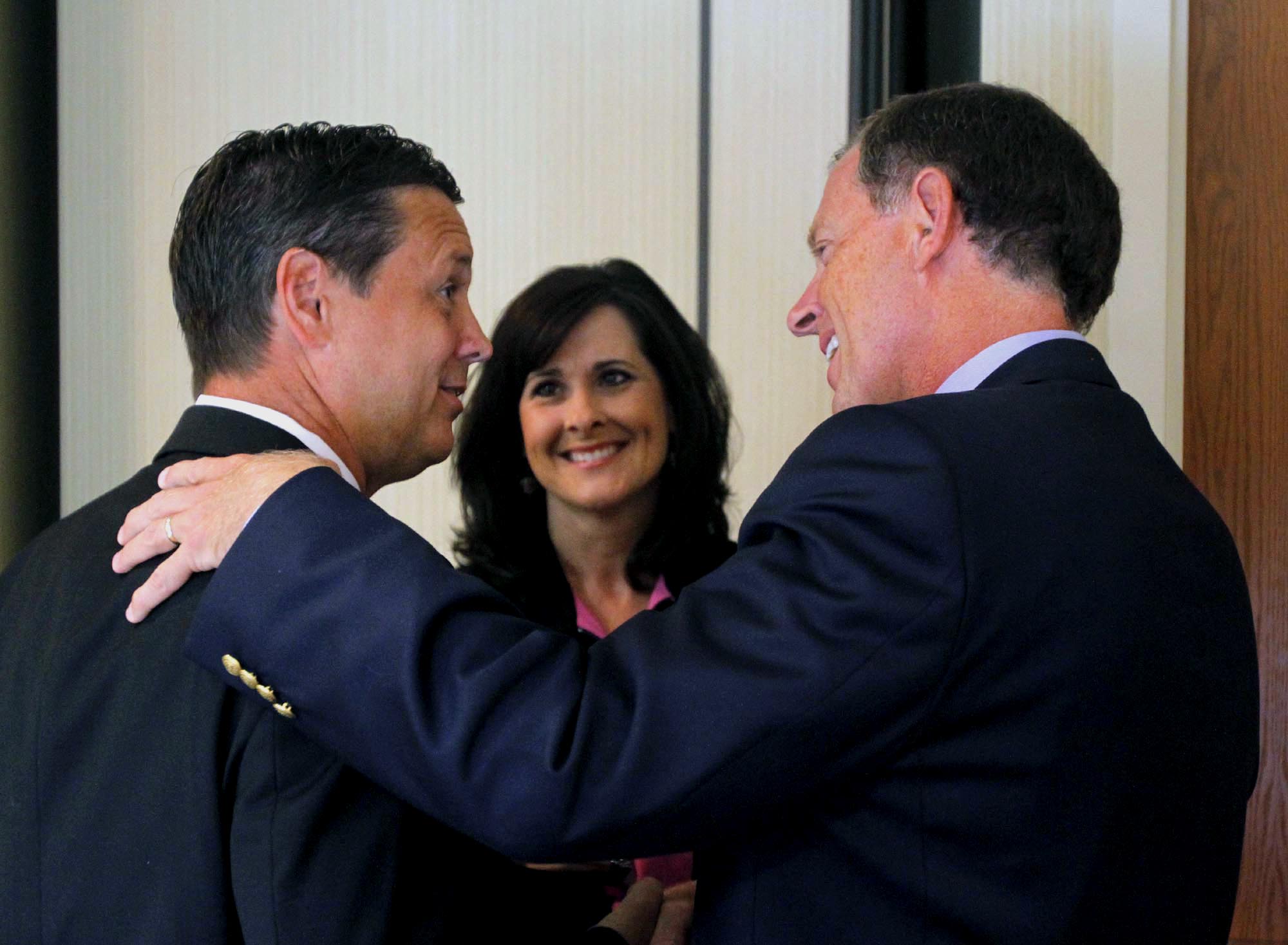
Thirteen years later, messengers to the 2010 Southern Baptist Convention in Orlando, Fla., asked NAMB to focus more of its efforts on church planting as one aspect of the Great Commission Resurgence, which was approved by a wide margin of messengers. That same year, trustees elected current president, Kevin Ezell.
Under Ezell’s leadership, NAMB developed its church planting arm, Send Network, and launched Send Relief, its compassion ministry arm in 2016. In 2020, NAMB joined the SBC’s International Mission Board to cooperate under the banner of Send Relief to provide a single organization for Southern Baptists to work through in their compassion ministry efforts both in North America and around the world.
The United States and Canada have, in recent decades, been undergoing significant demographic shifts, and the future of missions in North America requires Great Commission intentionality on the part of Southern Baptist churches. NAMB’s vision is to boost the efforts of local churches as they reach those who desperately need to hear the gospel of Jesus.