
TAPPAHANNOCK, Virginia – The house is in a Virginia pine forest at the end of a long, bumpy dirt road. The thirty people living here are 46 miles away from civilization.
They might as well be 46 million miles away.
“It’s a geographical oddity,” says Fred Weymouth. “We’ve got 30 acres in the middle of nowhere, and when you come out here, you’re about as far removed from the streets of downtown Richmond, Virginia, as you’re ever going to get.”
This is where Fred and his wife, Casey, started a residential recovery and discipleship program called The Fix.
“We wanted to reach people who were struggling with drugs, alcohol, and homelessness,” Fred says, “because those are the things Casey and I used to struggle with.”
The name of their ministry is a nod to their backstory, and, Fred says, “a play on words.” Back in what they describe as their “dark days,” when they were living in the backseat of Casey’s car, the word “fix” had a completely different meaning.
“We were always looking for the next drug, the next fix,” Fred says. “We wanted to stop using. We really did, and we tried pretty much every 12-step program you can think of, but nothing helped, not until we found Jesus and everything got rearranged inside us.
“That’s why we decided to call our ministry ‘The Fix’ –- because ultimately, that’s what Jesus is. He’s the fix.”
It began with biscuits.
“It was so simple,” Fred says. “We just wanted to share the gospel with everybody we could, so we started taking breakfast to some of our old friends living under a freeway overpass in downtown Richmond.”
Biscuits opened the door to share the gospel.
“That turned into a Bible study,” Casey says. “And then, when some of them started coming to the Lord, we began praying about some way to help them get clean, something that had no red tape, because most treatment programs don’t take homeless people when they don’t have insurance or an ID.”
“We asked God for help,” she says, “and boy, did he ever provide.”
Generous donors provided Fred and Casey with that land and house, 46 miles from downtown Richmond, that turned out to be perfectly geographically isolated.
“We found out that lots of times, especially during the first 30-60 days after we’d take someone in, temptation would get the best of them, and they’d decide they wanted to go back to their old life on the streets,” Fred says. “So, I’d tell ’em, ‘Well, you can go if you want, but it’s a really long walk.’
“That pretty much always changed their mind.”
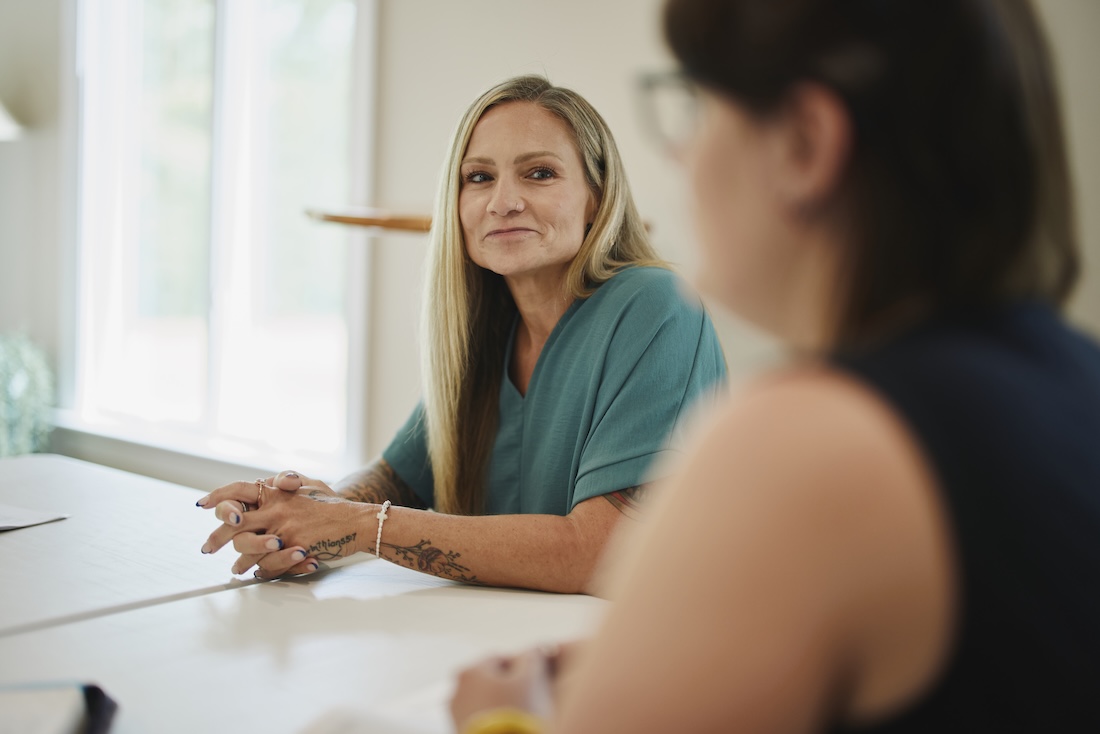
Now, several years later, Fred and Casey have separate men’s and women’s facilities where people can come live for a year.
“Over that time,” Fred says, “we help them walk through their recovery. And when I say ‘recovery,’ I really want people to know that we’re a discipleship program more than anything.”
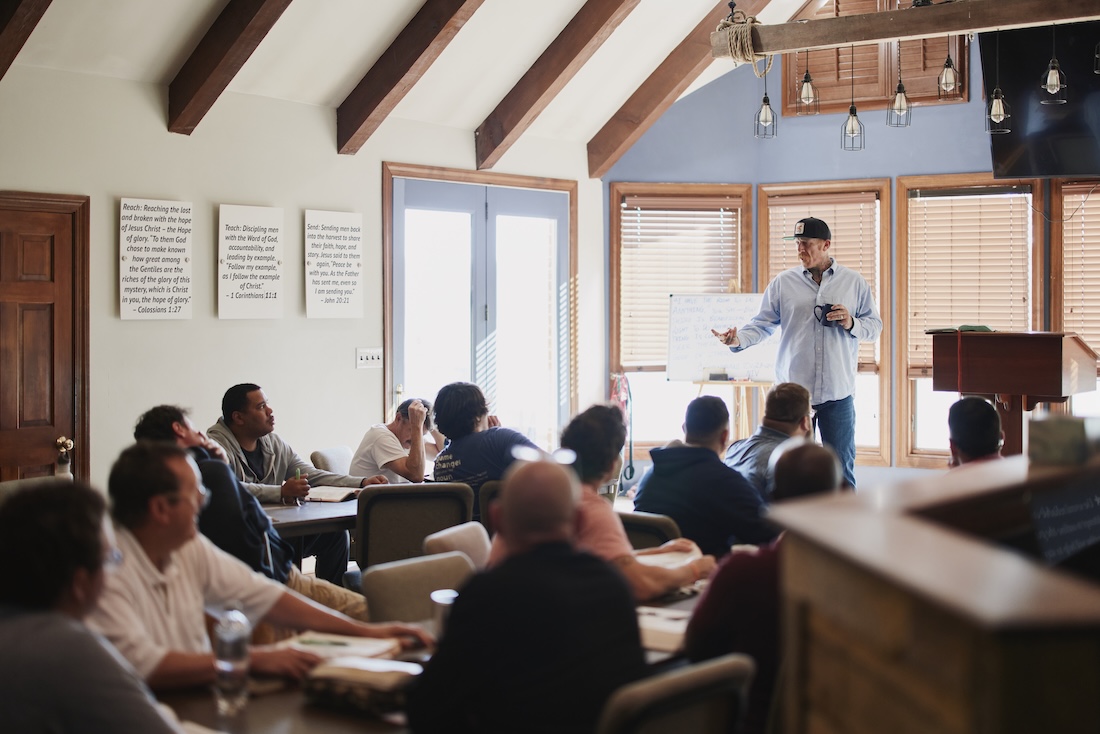
That means at The Fix, there’s traditional drug treatment program activity—”Casey has her masters in addiction counseling,” Fred says—and then there’s also non-traditional activity. “No one who comes here,” Fred says, “is bored.”
While they’re living at The Fix, Fred and Casey help their students find jobs.
“They need structure,” Fred says, “and they need to learn work ethic and responsibility.”
They bring in local pastors to teach hermeneutics and soteriology.
“People might not believe me when I say this,” Fred says, “but we teach deep theology here.”
They regularly bus their residents to the nearby community of Tappahannock, where they distribute food to residents in a low-income neighborhood.
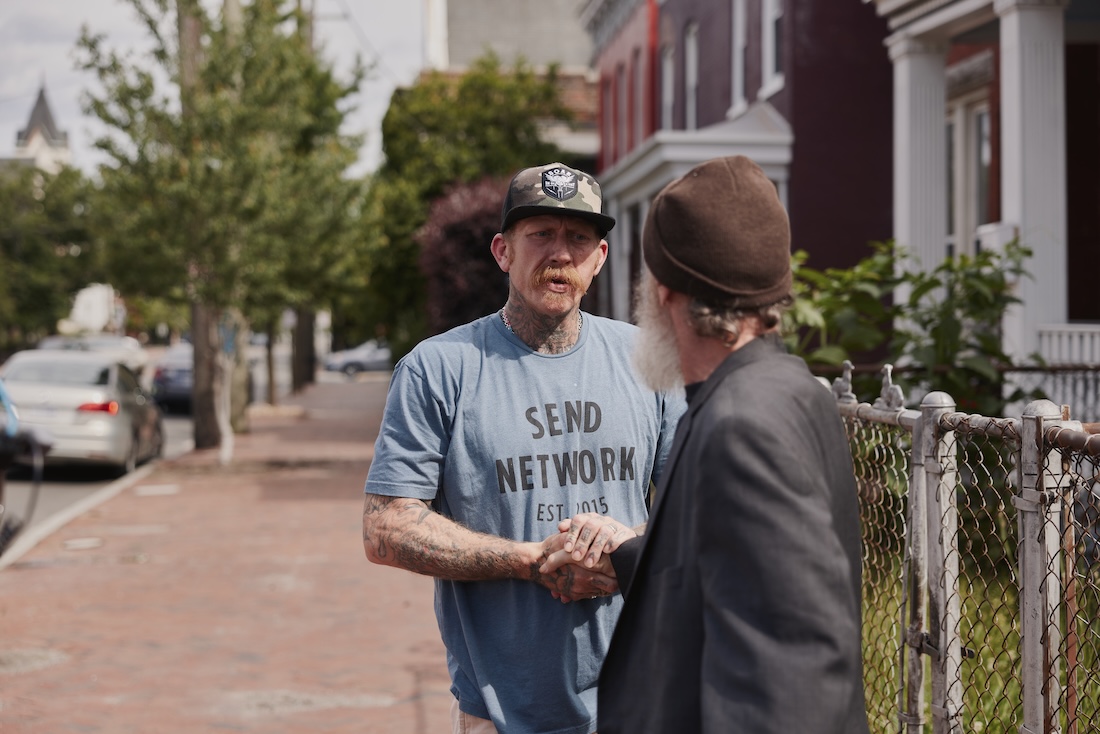
“They can’t just have a head full of theology,” Fred says. “They’ve got to put their faith into action.”
And—at least when Fred and Casey started—they would gather all their students for a Saturday night worship service.
“We did that to give our people a safe place to be on Saturday nights,” Fred says. “But God turned it into something much more than that.”
“People from Tappahannock started showing up to the services,” Casey says. “They saw Fred up there with his tattoos. They heard our story about how Jesus changed us, and God started saving people. So, we planted a church and called it The Fix.”
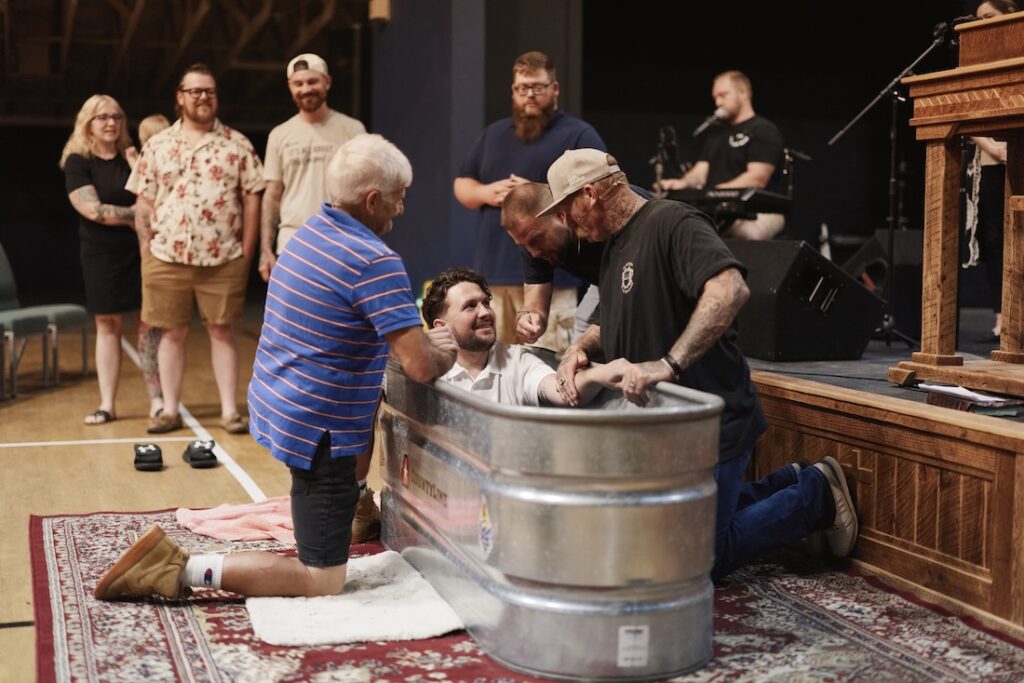
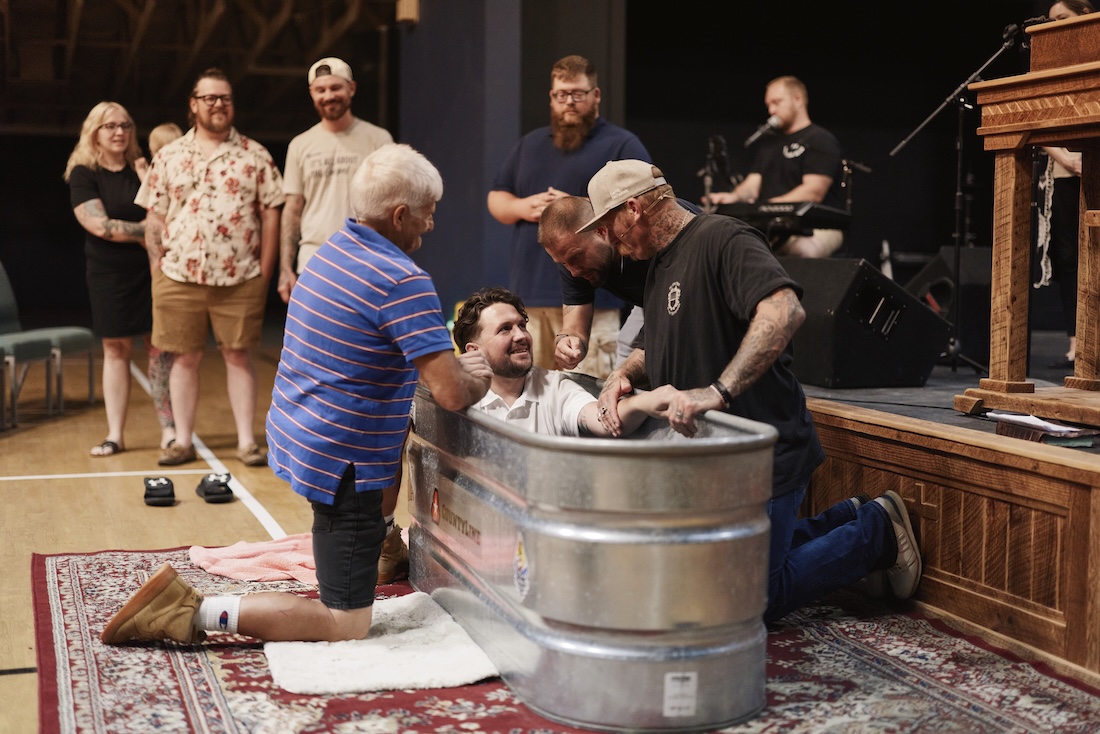
Now, in a quiet, out-of-the-way, secluded Virginia pine forest, a new church is growing, new believers are being baptized, and new disciples are being made.
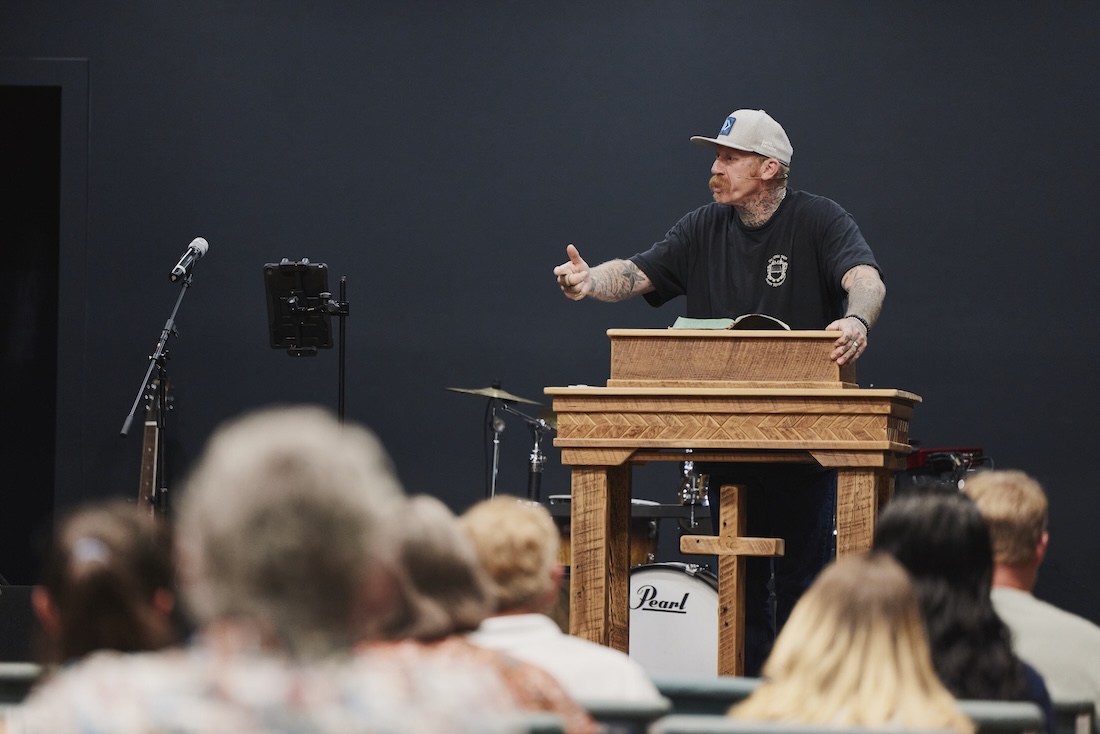
“We’re seeing men and women who’ve been junkies for 20 years give their lives to Christ and then never pick up a needle again, and we’re seeing people from the surrounding community give their lives to Christ and learn how to follow him,” Fred says. “Only God can do all that. He changed us, and now he’s using us to change other people. That’s amazing.”
The Annie Armstrong Easter Offering® provides half of NAMB’s annual budget, and 100 percent of the proceeds go to the mission field in North America. The offering is used for training, support and care for missionaries, like Jordan and Jessamy Adams, and for evangelism resources.
Published March 2, 2026